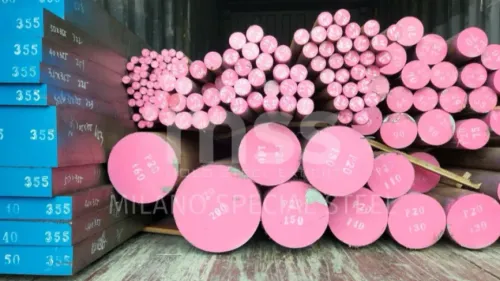
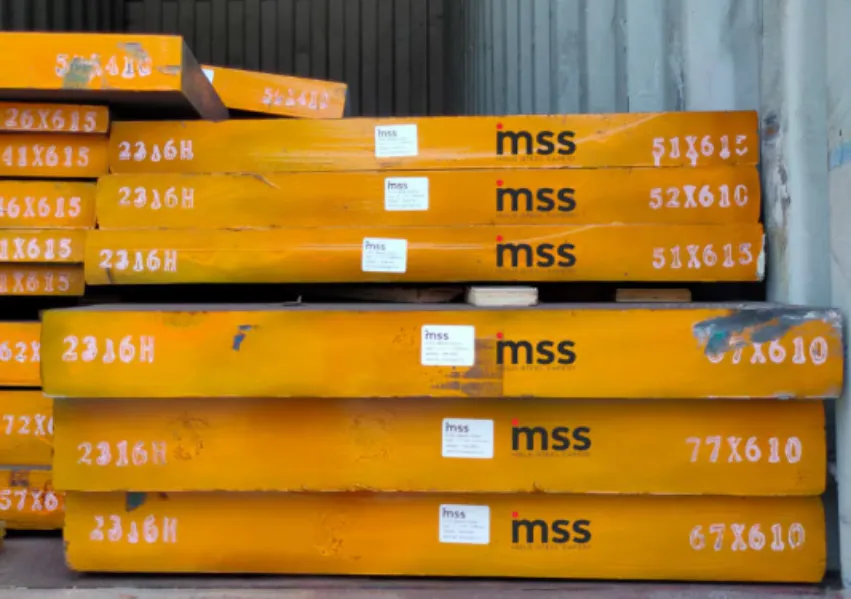
When manufacturing premium plastic products, the quality of the mould steel can influence everything from surface finish and cycle time to maintenance costs and mould lifespan. Among the high-performance options available today, Stavax ESR Steel has become a benchmark for manufacturers producing precision moulds for medical, optical, food packaging, and cosmetic applications.
However, many procurement managers and tool room engineers still compare it with conventional plastic mould steels before making an investment. Understanding the differences helps manufacturers choose a material that aligns with production goals rather than focusing only on the initial purchase cost.
What Is Stavax ESR Steel?
Stavax ESR Steel is a premium stainless plastic mould steel manufactured using the Electro Slag Remelting (ESR) process. This advanced refining method produces steel with exceptional cleanliness, minimal inclusions, and a highly uniform microstructure.
The result is a mould steel capable of delivering superior polishability, corrosion resistance, and dimensional stability compared to many standard mould steels.
Understanding Conventional Plastic Mould Steel
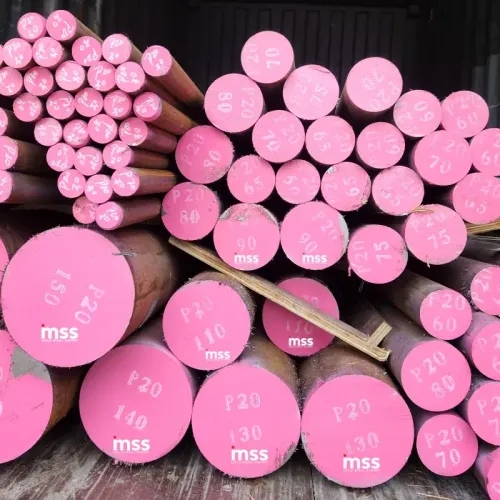
Conventional plastic mould steels such as P20 or other pre-hardened grades are widely used because they are economical and suitable for general-purpose mould manufacturing.
These materials perform well for:
- Medium production volumes
- Standard engineering plastics
- General industrial components
- Automotive interior parts
- Consumer products with moderate finish requirements
While they provide reliable performance, they may not always meet the demanding requirements of high-gloss or corrosion-sensitive applications.
Comparing the Two Materials
Although both materials are used for plastic mould manufacturing, their performance differs in several important areas.
Surface Finish
Stavax ESR Steel offers exceptional mirror polishability due to its high purity.
Conventional mould steels generally provide good finishes but may require additional polishing effort and may not achieve the same optical-quality surface.
Corrosion Resistance
One of the strongest advantages of Stavax ESR Steel is its excellent resistance to corrosion.
This makes it ideal for:
- PVC processing
- Medical moulds
- Food-grade packaging
- Humid production environments
Standard mould steels may require more frequent maintenance to prevent corrosion in similar conditions.
Wear Resistance
Premium ESR steel maintains consistent performance during extended production runs and resists wear more effectively in demanding applications.
Conventional grades remain suitable for many production environments but may experience faster wear under continuous high-volume manufacturing.
Mould Maintenance
Because of its corrosion resistance and material cleanliness, Stavax ESR Steel generally requires less maintenance over its operational life.
This can reduce:
- Production downtime
- Polishing frequency
- Repair costs
- Surface restoration work
When Should You Choose Stavax ESR Steel?
This premium material is particularly suitable when manufacturing:
- Medical components
- Cosmetic packaging
- Optical lenses
- Transparent plastic products
- Pharmaceutical packaging
- Food-contact containers
- High-gloss consumer products
- Precision engineering plastics
In these applications, mould quality directly influences the appearance and performance of the finished product.
When Conventional Plastic Mould Steel Is Sufficient
Conventional mould steels remain an excellent choice for many industrial applications where extremely high polishability or corrosion resistance is not essential.
They are commonly used for:
- Household products
- Automotive plastic parts
- Industrial components
- Packaging products
- General injection moulding
Selecting the right material depends on production requirements rather than simply choosing the highest-grade steel available.
Factors Procurement Teams Should Evaluate
Before selecting mould steel, industrial buyers should compare the total lifecycle cost instead of focusing only on the purchase price.
Important evaluation criteria include:
- Expected production volume
- Plastic material being processed
- Surface finish requirements
- Mould maintenance costs
- Downtime associated with repairs
- Product quality expectations
- Long-term operating cost
A material with a higher initial cost may provide greater value through extended mould life and reduced maintenance.
Why Supplier Expertise Matters
Premium mould steels require careful selection based on the application. Working with an experienced supplier helps manufacturers identify the most appropriate material for each project.
Reliable suppliers provide:
- Certified material quality
- Technical material recommendations
- Precision-cut steel blocks
- Consistent inventory
- Batch traceability
- Application-specific guidance
These services simplify procurement while reducing the risk of selecting an unsuitable grade.
Supporting Precision Manufacturing in Ludhiana
Manufacturers in Ludhiana continue to serve industries with increasingly demanding quality standards, particularly in automotive, healthcare, electronics, and consumer products. These sectors require mould steels capable of maintaining precision throughout long production cycles.
Milano Special Steel, Plastic Mold Steel Expert supplies premium plastic mould steels, including high-performance ESR grades, to meet the evolving needs of industrial manufacturers. Their understanding of specialised tool steels enables procurement teams to source materials that match both technical requirements and production objectives.
Choosing the Right Steel for Long-Term Manufacturing Success
Both Stavax ESR Steel and conventional plastic mould steels have important roles in modern manufacturing. The best choice depends on the complexity of the mould, the production environment, the type of plastic being processed, and the expected lifecycle of the tooling.
For manufacturers and industrial buyers in Ludhiana and across Haryana, evaluating long-term performance rather than initial cost often leads to better investment decisions. Selecting the right mould steel from a trusted supplier helps improve product quality, extend mould life, and support more efficient, reliable manufacturing operations.
Keywords