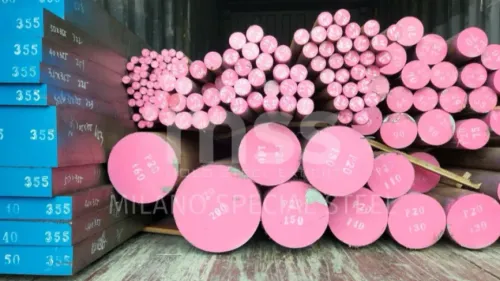
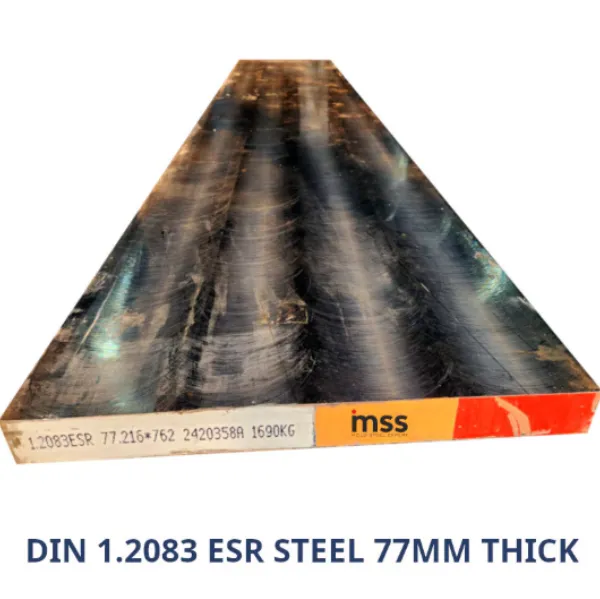
The performance of a plastic mould depends not only on its design but also on the quality of the steel used to manufacture it. For industries producing optical components, medical devices, food-grade packaging, and high-gloss plastic products, DIN 1.2083 ESR Steel is one of the most trusted materials. Its exceptional corrosion resistance, superior polishability, and high material purity make it an ideal choice for precision mould manufacturing.
As manufacturers in Sonipat and across Haryana continue to adopt advanced injection moulding technologies, the demand for premium ESR mould steels has grown steadily.
What Is DIN 1.2083 ESR Steel?
DIN 1.2083 ESR Steel is a stainless plastic mould steel manufactured using the Electro Slag Remelting (ESR) process. This secondary refining method removes impurities and produces a cleaner, more homogeneous steel structure compared to conventionally manufactured grades.
The result is a mould steel with improved mechanical properties, excellent surface quality, and enhanced reliability for demanding industrial applications.
Why the ESR Process Makes a Difference
The ESR process significantly improves the internal quality of steel by reducing non-metallic inclusions and segregation.
Some of the major advantages include:
- Higher material cleanliness
- Improved corrosion resistance
- Better polishability
- Uniform hardness throughout the material
- Enhanced toughness
- Greater dimensional stability
- Reduced risk of internal defects
- Longer mould service life
These benefits become especially important when manufacturing high-precision moulds with demanding surface finish requirements.
Key Properties of DIN 1.2083 ESR Steel
DIN 1.2083 ESR Steel combines stainless steel characteristics with excellent tooling performance.
Its key features include:
- Outstanding corrosion resistance
- Excellent wear resistance
- Superior mirror polishability
- High hardness after heat treatment
- Good dimensional stability
- Excellent machinability
- High resistance to moisture and aggressive plastics
- Reliable long-term performance
These properties make it suitable for producing moulds that maintain consistent quality over extended production cycles.
Common Applications
DIN 1.2083 ESR Steel is widely used in industries where mould quality directly affects the appearance and accuracy of finished products.
Typical applications include:
- Medical device moulds
- Optical component moulds
- Transparent plastic product moulds
- Cosmetic packaging moulds
- Food-grade container moulds
- Pharmaceutical packaging moulds
- PET preform moulds
- Precision engineering plastic moulds
- Lens moulds
- High-gloss consumer product moulds
Its ability to produce excellent surface finishes makes it particularly valuable for visible plastic components.
Why High-Precision Manufacturers Prefer This Steel
Manufacturers producing premium plastic products require moulds that can consistently deliver flawless finishes while resisting corrosion and wear.
DIN 1.2083 ESR Steel helps achieve these goals by offering:
- Longer mould life
- Reduced polishing time
- Better surface finish on moulded parts
- Lower maintenance requirements
- Greater resistance to rust
- Improved production consistency
- Reduced risk of mould defects
These advantages contribute to higher manufacturing efficiency and lower overall tooling costs.
Factors to Consider Before Selecting DIN 1.2083 ESR Steel
Although this steel is highly versatile, material selection should always be based on application requirements.
Before making a purchasing decision, evaluate:
- Type of plastic resin
- Production volume
- Surface finish expectations
- Corrosion exposure
- Mould complexity
- Required hardness
- Long-term maintenance requirements
Matching the steel grade to production needs ensures maximum return on investment.
Best Practices for Long-Term Mould Performance
Premium mould steel delivers the best results when combined with proper manufacturing and maintenance procedures.
Recommended practices include:
- Use appropriate machining parameters.
- Follow correct heat treatment procedures where applicable.
- Polish mould cavities using recommended methods.
- Clean moulds regularly after production.
- Protect moulds from contamination during storage.
- Conduct preventive maintenance inspections.
These measures help maintain mould precision and reduce unexpected downtime.
Supporting Advanced Manufacturing in Sonipat
Sonipat has become a key manufacturing destination for automotive, electronics, medical, and engineering industries. As demand grows for high-quality plastic products, manufacturers increasingly require premium mould steels capable of delivering exceptional consistency and durability.
Milano Special Steel, Plastic Mold Steel Expert supplies specialised ESR mould steels that support modern manufacturing requirements. With expertise in premium tool steels and plastic mould materials, the company helps industrial buyers source steels suitable for precision tooling applications.
Why DIN 1.2083 ESR Steel Is a Smart Long-Term Investment
DIN 1.2083 ESR Steel offers an outstanding combination of corrosion resistance, wear resistance, material purity, and superior polishability. These qualities make it one of the preferred choices for manufacturers producing high-value plastic components where appearance, accuracy, and durability are essential.
For procurement managers, tool room engineers, and plastic mould manufacturers in Sonipat and throughout Haryana, selecting high-quality DIN 1.2083 ESR Steel from a dependable supplier can improve mould performance, extend service life, and support consistent manufacturing quality for years to come.
Keywords