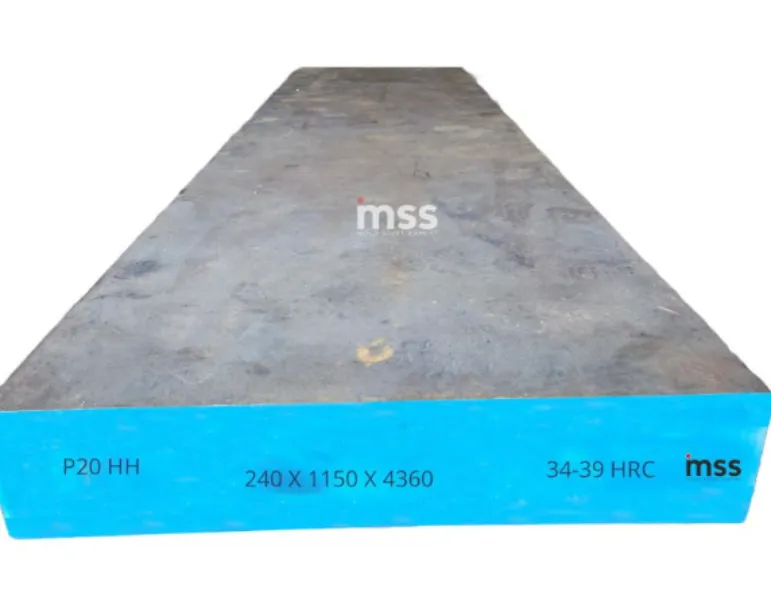
P20 is one of the most familiar names in plastic mould manufacturing, but familiarity can sometimes lead to oversimplified purchasing decisions. P20 Material is commonly considered for mould-making applications because it can offer a practical balance of manufacturing characteristics for many tooling requirements.
That does not mean every P20-labelled material is automatically suitable for every mould.
For mould manufacturers and industrial buyers in Chandigarh, Haryana, the better approach is to understand where P20 fits and what should be checked before it is specified.
Where P20 Is Commonly Used
P20-type mould steels are widely associated with plastic injection mould tooling and related engineering applications.
Depending on the exact grade specification and project requirements, potential uses can include:
- Plastic injection moulds
- Mould bases
- Mould plates
- Dies and tooling components
- Medium and large mould components
- General engineering tooling
Its popularity is linked partly to the need for a mould steel that can be machined and prepared efficiently while delivering suitable service performance for the intended application.
Why Pre-Hardened Mould Steel Is Useful
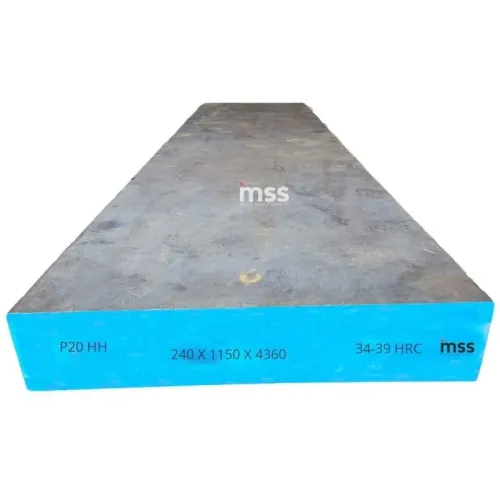
Many P20-type steels are supplied in a pre-hardened condition. This can be useful because it may allow substantial machining to be performed without requiring the same heat-treatment sequence associated with some other tool steel routes.
For a tool room, this can simplify process planning for suitable applications.
However, buyers should confirm the actual supplied condition instead of assuming that every product sold under a P20 description has identical characteristics.
Match the Material to the Plastic Component
The plastic part being produced has a major influence on mould material selection.
Consider:
- Component size
- Surface appearance
- Production quantity
- Polymer type
- Dimensional requirements
- Mould complexity
- Expected maintenance cycle
- Wear conditions
A mould producing straightforward components at moderate volumes may have different steel requirements from a tool producing visually critical parts or operating under demanding wear or corrosion conditions.
When Another Grade May Be More Appropriate
P20 should not become a default specification simply because a tool room has used it successfully in the past.
Applications demanding stronger corrosion resistance may lead engineers toward corrosion-resistant mould steel. Highly demanding polishing requirements may justify a cleaner or specially processed material. High wear conditions can point toward other tool steel families.
The important question is therefore not “Is P20 good?” but “Is this P20 specification appropriate for this mould?”
Size and Material Consistency Matter
Large mould blocks introduce additional considerations. Engineers should consider material consistency through the relevant section, machining requirements, dimensional stability, and the amount of stock that must be removed.
The larger and more valuable the tool, the more important it becomes to define material requirements carefully before machining begins.
Practical Checks for Gurugram Buyers
Gurugram forms part of a major manufacturing ecosystem connected with Manesar, Faridabad and other Haryana industrial areas. Tooling projects in this region often support automotive, consumer, electrical, packaging, and industrial component production.
When sourcing P20, procurement managers should check the following before approving an order:
- Correct material specification
- Required dimensions and tolerances
- Supplied condition
- Quantity
- Surface condition where relevant
- Documentation requirements
- Material identification
- Delivery compatibility with the tooling schedule
Material Selection Is a Lifecycle Decision
Steel price is visible immediately. The effect of material selection may continue throughout machining, mould commissioning, production, maintenance, and repair.
A slightly lower initial price has limited value if the material is poorly matched to the application. At the same time, specifying a more expensive grade than the mould actually requires can unnecessarily increase project cost.
For manufacturers in Chandigarh, selecting P20 Material works best when engineering requirements, tool room capability, production expectations, and procurement specifications are considered together. That approach turns a familiar steel designation into a deliberate tooling decision rather than a routine purchase.
Keywords