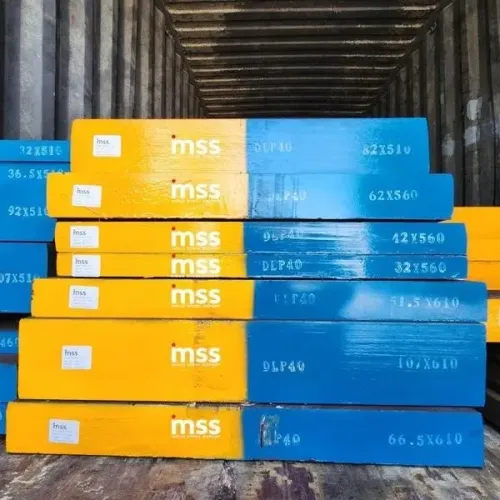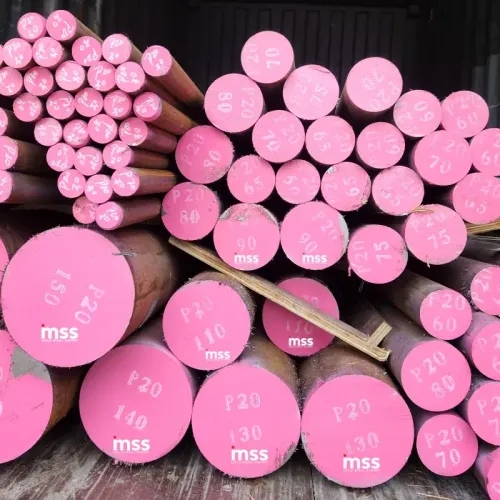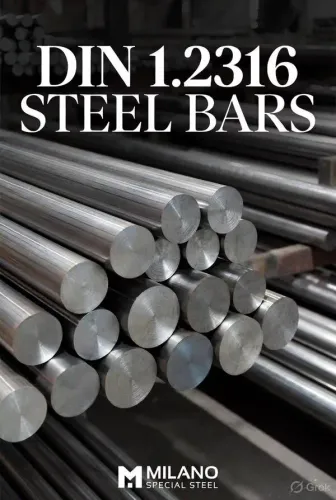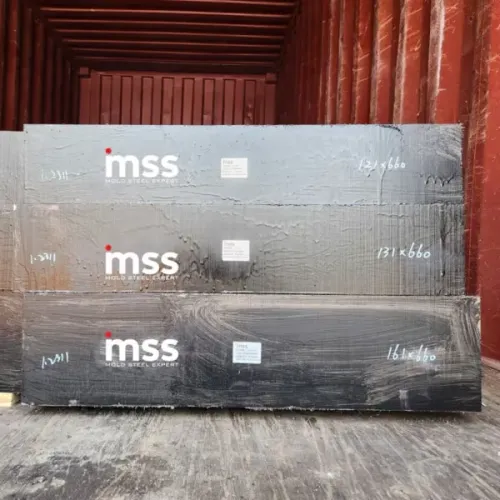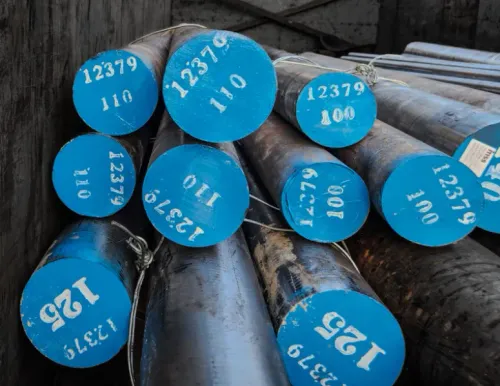
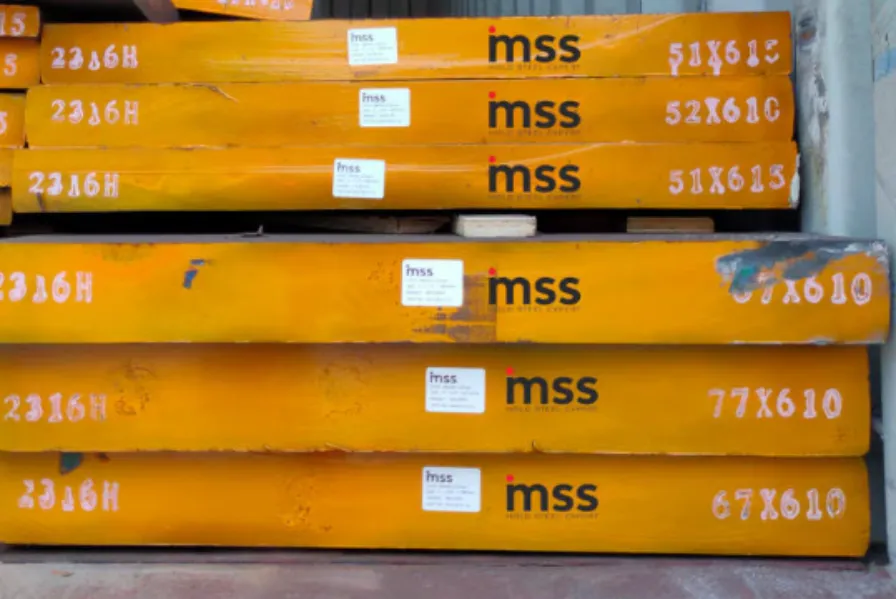
When a mould operates in an environment where moisture, process conditions, or the plastic being moulded can contribute to corrosion concerns, material selection needs more attention than simply choosing a commonly available mould steel. 1.2316 Mould Steel Plates are often evaluated for applications where corrosion resistance is an important part of the tooling requirement.
For mould makers in Ludhiana, the decision should be based on operating conditions, maintenance expectations, surface requirements, and overall tool economics.
When Does Corrosion Resistance Become Important?
Not every mould experiences the same working environment.
Corrosion-related concerns can become more significant when tooling is exposed to:
- Humidity or condensation
- Cooling water systems
- Extended storage periods
- Process residues
- Certain plastic processing environments
- Frequent production and cleaning cycles
A conventional mould steel may work effectively in many general applications. When corrosion becomes a meaningful risk, however, a corrosion-resistant mould steel can offer practical advantages.
Comparing the Selection Priorities
Rather than comparing steels using only one property, engineers should evaluate several factors.
For general mould steel, the priorities may include economical machining, availability, established tool room experience, and suitable performance for standard plastic applications.
For 1.2316-type material, the evaluation may place greater emphasis on corrosion resistance while still considering machining, surface finish, strength, and tooling requirements.
Neither approach is universally better. The correct choice depends on the mould.
Consider Maintenance Cost
Material price is easy to compare on a quotation. Maintenance cost is less visible.
If a mould is regularly exposed to conditions that promote corrosion, maintenance may involve cleaning, polishing, surface restoration, inspection, and unplanned downtime.
Procurement teams therefore need to compare more than purchase price.
A useful evaluation asks:
- How often will the mould operate?
- How will it be stored?
- What cleaning procedures are used?
- Is the cooling system a potential source of exposure?
- How expensive is production downtime?
- Is the mould intended for long-term repeat production?
These questions can change the economic case for material selection.
Surface Requirements Can Influence the Decision
Mould surface condition directly affects many finished plastic components. Where appearance is important, maintaining a consistent mould surface becomes a production concern rather than only a tooling concern.
The required finish should be discussed with the tool room before material is ordered. If a demanding polished surface is required, steel quality and processing route may deserve additional attention.
Avoid Assuming Equivalent Grades Are Identical
A frequent sourcing problem occurs when purchasing teams compare offers using loosely described “equivalent” grades.
Equivalent does not always mean identical in every relevant characteristic. Standards, composition ranges, supplied condition, production route, and quality requirements should be reviewed against the drawing and intended application.
Engineering approval is particularly important when changing material on an established mould design.
What Gurugram Buyers Should Include in an RFQ
For 1.2316 Mould Steel Plates, an RFQ should state enough information for a supplier to understand the actual requirement.
Include:
- Exact grade or standard required
- Plate dimensions
- Quantity
- Required material condition
- Machining allowance where applicable
- Documentation requirements
- Application details when technical matching is needed
- Delivery schedule
Clear specifications make quotations easier to compare and reduce uncertainty during receiving inspection.
Choose Based on Production Conditions
Milano Special Steel, Plastic Mold Steel Expert works with industrial steel requirements where buyers need material to align with tooling and manufacturing applications. For companies in Gurugram and the broader Haryana manufacturing region, supplier evaluation should include technical understanding as well as material availability.
The choice between corrosion-resistant and general-purpose mould steel ultimately comes down to the conditions the tool will experience. When corrosion exposure is a realistic operational issue, evaluating 1.2316 at the design and procurement stage can be more effective than addressing preventable mould deterioration later.
Keywords