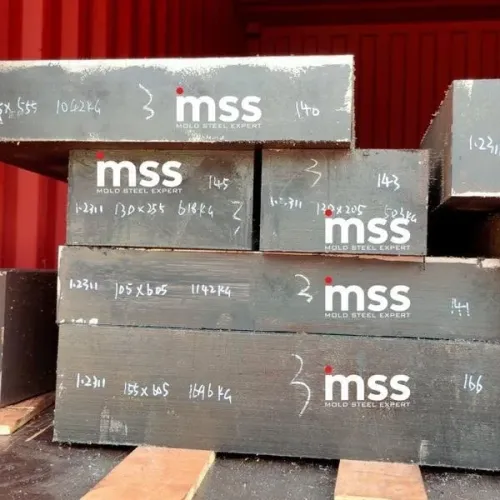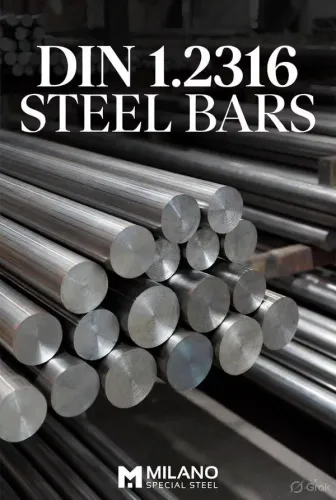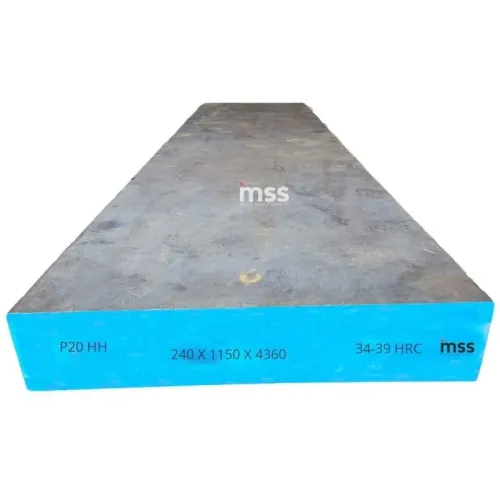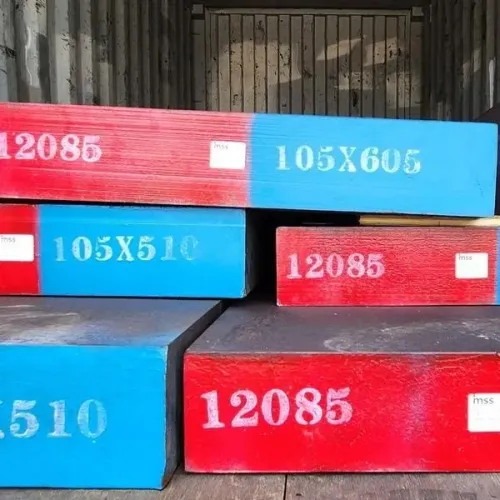
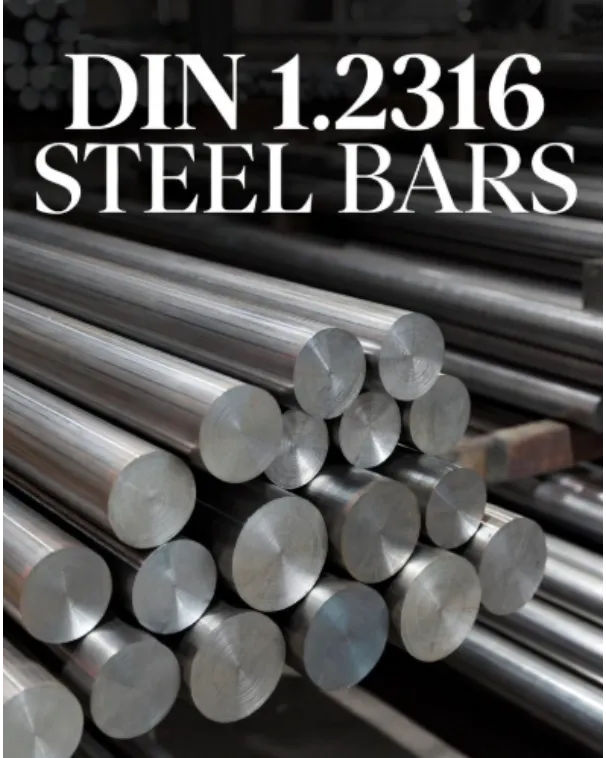
Choosing mould steel from a quotation alone can hide important differences between competing offers. Two suppliers may quote 1.2316 Steel Plates with similar dimensions, yet the suitability of those offers can depend on material specification, supplied condition, documentation, processing requirements, and the intended mould application.
For plastic injection moulding manufacturers in Sonipat, a structured evaluation helps procurement teams compare material on technical value rather than price alone.
Begin With the Mould Environment
Before comparing suppliers, understand how the mould will operate.
Will it be exposed to moisture or condensation? Does the application require a refined surface? How frequently will the mould run? Will it remain in storage for long periods between production batches?
These details determine which material characteristics deserve the most attention.
2316-type mould steel is commonly evaluated when corrosion resistance is an important requirement, but the grade still needs to be matched to the complete tooling specification.
Check the Plate Dimensions Properly
A quoted plate needs to provide enough usable material for the final component.
Buyers should clarify:
- Length
- Width
- Thickness
- Cutting tolerance
- Required machining allowance
- Finished component dimensions
If a tool room needs to machine all faces, purchasing dimensions should account for the material that will be removed.
An attractive price on an undersized or unsuitable plate is not a saving.
Review the Supplied Condition
The condition in which mould steel arrives affects subsequent manufacturing.
Tool room engineers should determine what machining, finishing, or additional treatment is planned and ensure that the supplied material is compatible with that route.
This information should be agreed before purchase rather than discovered after the plate has entered production.
Evaluate Documentation and Traceability
For organised industrial procurement, material documentation is part of the product.
Depending on the customer's quality system, relevant documentation may be required to support material identification and incoming inspection.
This is particularly useful for companies making repeat moulds or working under customer-approved material specifications.
A simple receiving process should verify the material against the purchase order before cutting begins.
Compare Total Procurement Value
Suppose Supplier A offers the lowest rate, but delivery is uncertain or technical documentation does not match the requirement. Supplier B costs slightly more but provides the specified size, condition, documentation, and dependable delivery.
The lowest rate per kilogram does not automatically represent the lowest project cost.
Delays can affect:
- CNC machine planning
- Tool room capacity
- Assembly schedules
- Mould trials
- Customer sample submission
- Production launch dates
This is particularly relevant to Gurugram and Haryana manufacturers connected with time-sensitive automotive and engineering supply chains.
Ask Technical Questions Before Finalising
A serious industrial enquiry should go beyond “price and availability.”
Useful questions include:
- Does the material conform to the requested specification?
- What condition is it supplied in?
- Are the requested dimensions available?
- What cutting tolerances should be expected?
- What documentation accompanies the supply?
- Can material identification be maintained?
- What is the realistic dispatch or delivery schedule?
The answers provide a much stronger basis for supplier comparison.
Keep Engineering Involved in Substitutions
If the requested grade or size is unavailable, procurement should avoid approving an alternative solely to protect the delivery date.
A proposed substitution should return to engineering for evaluation. Corrosion behaviour, machining requirements, surface expectations, mechanical properties, and mould design can all be relevant.
Milano Special Steel, Plastic Mold Steel Expert can be considered by Gurugram industrial buyers evaluating mould steel requirements with attention to grade, size, and application context.
Ultimately, sourcing 1.2316 Steel Plates effectively requires three things to align: engineering specification, commercial purchasing, and tool room requirements. When all three are considered before the purchase order is issued, material procurement becomes considerably more predictable.
Keywords