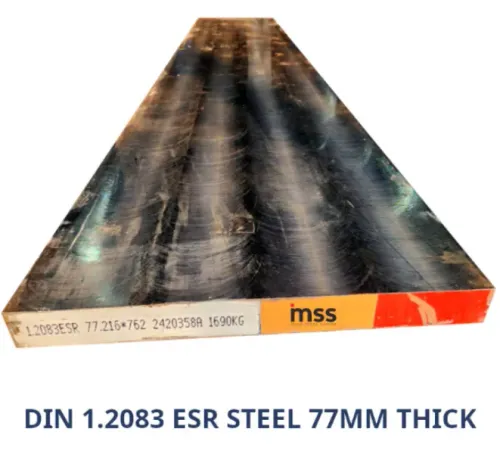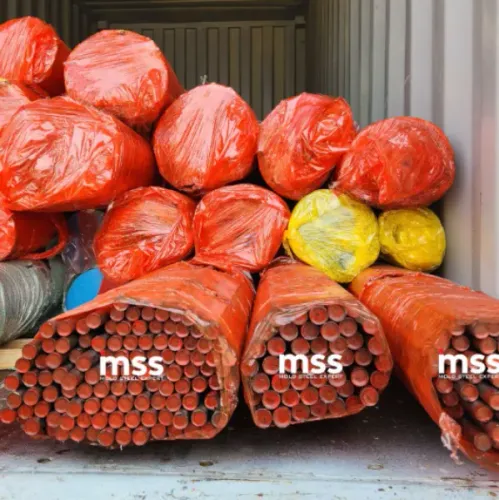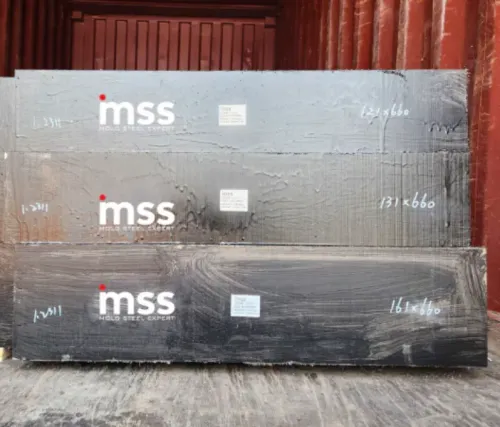

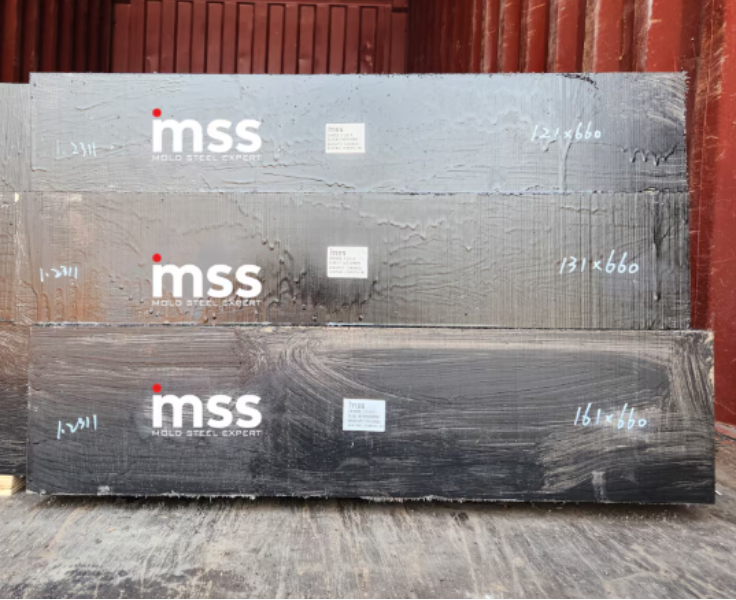
Manufacturers of plastic components need moulds that deliver consistent quality, withstand long production runs, and remain cost-effective throughout their service life. One material that has consistently met these expectations is P20 DIN 1.2311 Steel. Known for its excellent machinability, balanced hardness, and dependable performance, this pre-hardened plastic mould steel is widely used across the automotive, consumer goods, packaging, and electronics industries.
For businesses in Bawal and throughout Haryana, selecting the right mould steel can significantly improve production efficiency while reducing maintenance and tooling costs.
What Is P20 DIN 1.2311 Steel?
P20 DIN 1.2311 Steel is a chromium-molybdenum alloyed plastic mould steel supplied in a pre-hardened condition. Since it generally requires little or no additional heat treatment before machining, manufacturers can shorten production lead times and begin mould fabrication more quickly.
Its combination of toughness, machinability, and dimensional stability makes it suitable for medium-sized and large plastic moulds used in continuous manufacturing.
Key Characteristics of P20 DIN 1.2311 Steel
This steel grade has become a preferred choice because it offers an effective balance between manufacturing convenience and long-term durability.
Its major characteristics include:
- Excellent machinability
- Uniform hardness throughout the material
- Good polishability
- High dimensional stability
- Reliable toughness
- Good wear resistance
- Easy maintenance
- Suitable for texturing and surface finishing
These properties allow manufacturers to produce moulds capable of delivering consistent results over thousands of production cycles.
Common Applications
P20 DIN 1.2311 Steel is suitable for a wide range of industrial applications where precision and durability are essential.
It is commonly used for:
- Plastic injection moulds
- Automotive interior and exterior moulds
- Household appliance moulds
- Packaging moulds
- Electronic component moulds
- Blow moulds
- Compression moulds
- Die holders
- Plastic processing tools
- General engineering components
Its versatility makes it a dependable option for manufacturers producing both simple and complex mould designs.
Why Manufacturers Prefer This Grade
One of the biggest advantages of P20 DIN 1.2311 Steel is that it simplifies the mould manufacturing process without compromising quality.
Manufacturers benefit from:
- Faster machining due to its pre-hardened condition
- Lower tooling production time
- Improved surface finish after polishing
- Better dimensional accuracy
- Reduced risk of distortion
- Longer mould service life
- Lower overall maintenance costs
These advantages make it particularly valuable for companies handling medium- to high-volume plastic component production.
How It Compares with Other Plastic Mould Steels
Different mould steels are designed for different production requirements.
P20 DIN 1.2311 Steel is often selected when manufacturers need:
- Good performance at a competitive cost
- Reliable machining characteristics
- Consistent hardness
- Efficient production of medium-volume moulds
- Easy maintenance during the mould's lifecycle
For applications involving highly corrosive plastics or extremely high polishing requirements, specialised ESR grades may be more appropriate. However, for many standard industrial applications, P20 DIN 1.2311 provides an excellent balance between performance and value.
Tips for Selecting the Right Mould Steel
Before choosing a mould steel, procurement managers and tool room engineers should evaluate several important factors.
Consider:
- Type of plastic resin being processed
- Annual production volume
- Required surface finish
- Mould size and complexity
- Expected maintenance schedule
- Cooling efficiency
- Budget versus lifecycle cost
Selecting the appropriate material at the design stage helps minimise production issues and reduces long-term operating expenses.
Maintaining Mould Performance
Even high-quality mould steel requires proper care to achieve maximum service life.
Recommended practices include:
- Regular cleaning after production
- Preventive maintenance inspections
- Proper lubrication of moving components
- Protection against corrosion during storage
- Correct machining parameters during mould manufacturing
- Scheduled polishing where required
Routine maintenance not only extends mould life but also helps maintain consistent product quality throughout production.
Supporting Manufacturing Growth in Bawal
Bawal has become a leading manufacturing centre for automotive, engineering, and plastic processing industries. With increasing demand for precision plastic components, manufacturers require mould steels that offer reliability, efficiency, and long-term performance.
Suppliers such as Milano Special Steel, Plastic Mold Steel Expert support industrial buyers by providing high-quality mould steel grades that meet modern manufacturing standards. Their expertise helps businesses select materials suited to specific tooling applications while ensuring consistent quality and dependable supply.
Choosing P20 DIN 1.2311 Steel for Better Manufacturing Results
P20 DIN 1.2311 Steel remains one of the most trusted plastic mould steels because it combines machinability, durability, and cost-effectiveness in a single material. Its pre-hardened condition reduces manufacturing time, while its balanced mechanical properties help produce moulds capable of delivering reliable performance over extended production cycles.
For manufacturers, procurement professionals, and tool room engineers in Bawal and across Haryana, investing in quality P20 DIN 1.2311 Steel can contribute to improved productivity, lower maintenance costs, and greater confidence in every mould produced. As manufacturing standards continue to evolve, this steel grade remains a practical and dependable solution for a wide variety of plastic mould applications.