
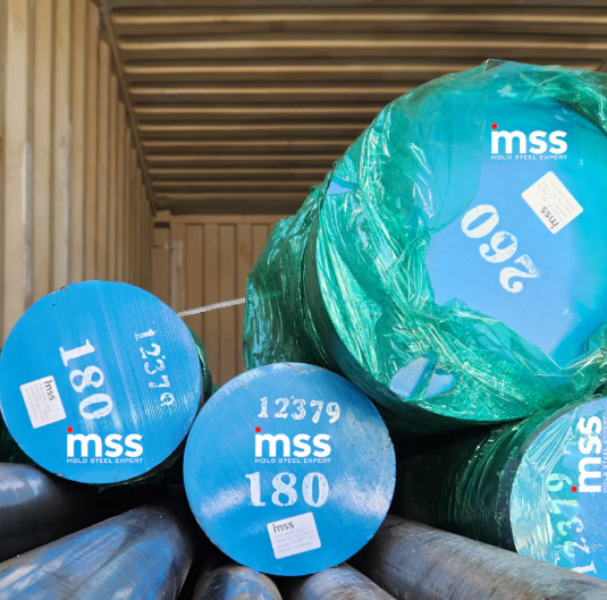
When manufacturing tools are expected to withstand heavy wear, repeated impact, and long production cycles, selecting the right material becomes a critical business decision. DIN 1.2379 Tool Steel is widely recognised as one of the most dependable cold work tool steels for industries that require exceptional hardness, wear resistance, and dimensional stability. Its versatility makes it a preferred choice for manufacturers producing precision components and high-volume tooling.
For businesses in Gurugram and across Haryana, understanding where DIN 1.2379 Tool Steel performs best can help improve tool life, reduce maintenance costs, and increase production efficiency.
What Is DIN 1.2379 Tool Steel?
DIN 1.2379 is a high-carbon, high-chromium cold work tool steel known for its outstanding wear resistance and high compressive strength. It is commonly supplied in the annealed condition and later heat-treated to achieve the hardness required for demanding industrial applications.
Because of its excellent balance between hardness and toughness, this steel is suitable for manufacturing tools that operate under continuous mechanical stress.
Key Features of DIN 1.2379 Tool Steel
This grade has become popular across several industries because of its reliable mechanical properties.
Some of its major advantages include:
- High wear resistance
- Excellent hardness after heat treatment
- Good dimensional stability
- High compressive strength
- Better edge retention
- Good resistance to abrasion
- Long service life
- Suitable for precision machining
These characteristics make it an ideal material for tooling used in repetitive production processes.
Where Is DIN 1.2379 Tool Steel Used?
The versatility of DIN 1.2379 allows it to be used in numerous manufacturing applications.
Common uses include:
- Blanking dies
- Punches
- Cold forming tools
- Thread rolling dies
- Shearing blades
- Precision cutting tools
- Stamping dies
- Industrial knives
- Wear-resistant machine parts
- Measuring tools and gauges
Manufacturers involved in automotive, sheet metal processing, engineering, and fabrication frequently choose this grade because it performs reliably even during extended production runs.
Why Manufacturers Prefer DIN 1.2379
Replacing worn tooling can be expensive and disruptive. Selecting a steel grade with excellent wear resistance helps reduce downtime and improves productivity.
DIN 1.2379 offers several operational benefits:
- Longer intervals between tool replacements
- Lower maintenance costs
- Consistent cutting accuracy
- Improved product quality
- Reduced production interruptions
- Better performance under high mechanical loads
These advantages are particularly valuable for companies operating large-scale manufacturing facilities.
Comparing DIN 1.2379 with Other Cold Work Tool Steels
While several cold work tool steels are available, DIN 1.2379 is often selected when wear resistance is the highest priority.
It is especially suitable for:
- High-volume production
- Precision tooling
- Abrasive material processing
- Continuous manufacturing operations
- Components requiring long tool life
However, applications involving heavy shock loading may require alternative grades with higher toughness. Evaluating the operating environment before selecting the material is essential.
Factors to Consider Before Buying
Choosing tool steel should never be based solely on hardness. Procurement teams should assess multiple technical factors before placing an order.
Important considerations include:
- Nature of the manufacturing process
- Production volume
- Required hardness
- Heat treatment requirements
- Surface finish expectations
- Tool geometry
- Machining requirements
- Maintenance schedule
A careful evaluation ensures that the selected steel delivers the desired balance between performance and operating cost.
The Importance of Quality Supply
Even premium-grade steel may fail to perform if the supplied material lacks consistency. Reliable suppliers maintain strict quality standards throughout sourcing and processing.
Look for suppliers who provide:
- Certified material test reports
- Consistent chemical composition
- Accurate dimensions
- Proper heat treatment guidance
- Precision cutting services
- Reliable stock availability
- Batch traceability
These factors contribute to better production planning and minimise unexpected material-related issues.
Demand for Premium Tool Steel in Gurugram
Gurugram has become a major manufacturing destination for automotive components, precision engineering, industrial machinery, and fabrication industries. As production standards continue to improve, manufacturers increasingly require tool steels capable of supporting longer production cycles with minimal maintenance.
Companies such as Milano Special Steel, Plastic Mold Steel Expert supply specialised grades including DIN 1.2379 Tool Steel to meet the evolving needs of industrial buyers. Their focus on quality materials and dependable supply supports manufacturers looking for consistent performance in demanding applications.
Making an Informed Material Choice
DIN 1.2379 Tool Steel remains one of the most trusted cold work tool steels because of its exceptional wear resistance, dimensional stability, and long operational life. Whether used for cutting, stamping, punching, or precision tooling, it helps manufacturers achieve reliable performance while reducing maintenance and replacement costs.
For procurement managers, tool room engineers, and industrial buyers in Gurugram and throughout Haryana, understanding the strengths of DIN 1.2379 makes it easier to choose the right material for specific production requirements. Investing in high-quality tool steel from an experienced supplier can contribute to improved productivity, consistent manufacturing quality, and greater long-term value.


